
Located on Japan's largest peninsula, the Kii Peninsula, over 80% of the prefecture is mountainous, mainly in the Kii Mountain Range. Since ancient times, Wakayama has been called “Kiinokuni (紀伊国),” derived from “Kinokuni (木の国),” meaning the land where deities of trees dwell.
This region has a history of people living in harmony with the mountains, where agriculture and forestry continue to thrive. The nostalgic and unspoiled Japanese landscape offers a charm that cannot be experienced in urban areas.
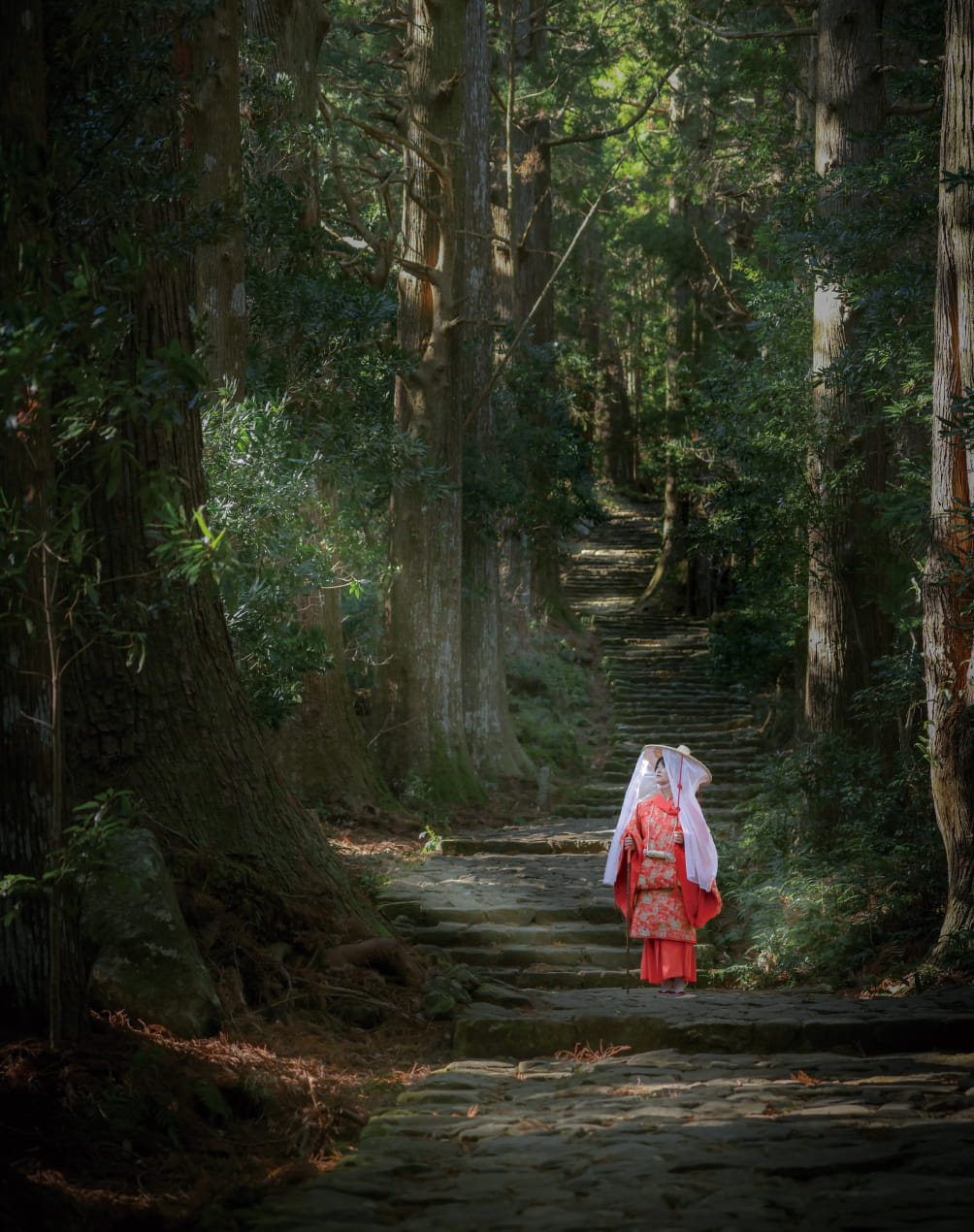
Kumano Kodo
Kumano Sanzan, known as the three grand shrines, originated from nature worship.
It has been venerated as one of the most sacred places for Shinto, Buddhism and Shugendo, and the trail leading to Kumano Sanzan is registered as a World Heritage Site. In the early mornings from autumn to winter, you may have a chance to view a sea of clouds where thick mist creates majestic landscapes.
Magnificent nature, hot springs and traditional culture. Many foreign travelers visit Wakayama to experience Japan's profound ancient culture and spirituality.
The “Kumano Kodo” and “Koyasan,” both registered as UNESCO World Heritage Sites, are the popular destinations.
They had significant influence on the development of Japanese religions and culture. Along with the surroundings, the sites are well-preserved and highly regarded as Japan's important cultural heritage today.
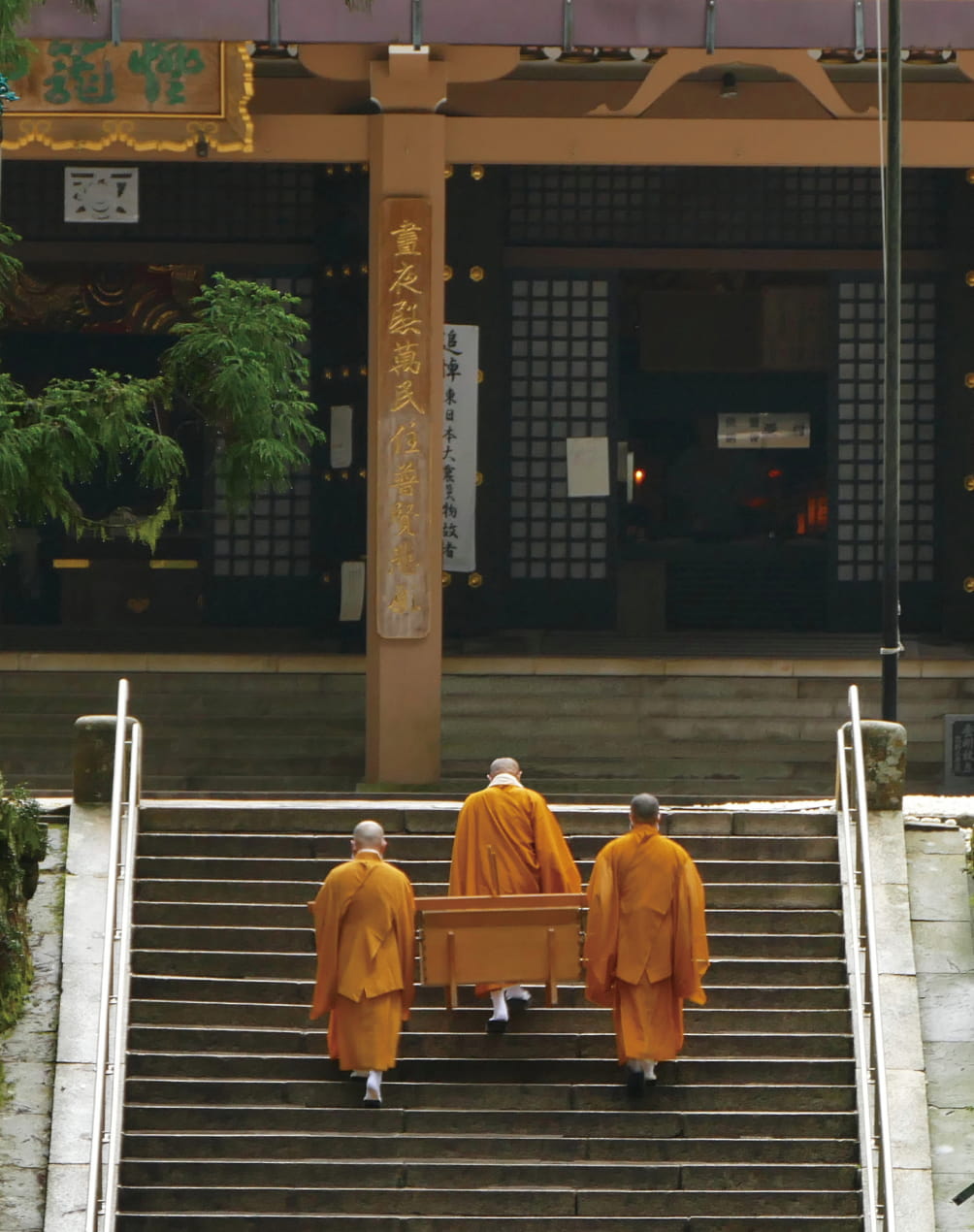
Koyasan
Koyasan is a sacred site of Shingon Esoteric Buddhism, founded 1250 years ago by Kukai, posthumously named Kobo Daishi. The entire Koyasan area is designated as “Kongobu-ji Head Temple,” with the “Okuno-In” and the “Danjo Garan Sacred Temple Complex” especially revered as two main sacred sites. Of the 117 temples, 52 temples offer temple lodgings (shukubo) where visitors and pilgrims can stay overnight.
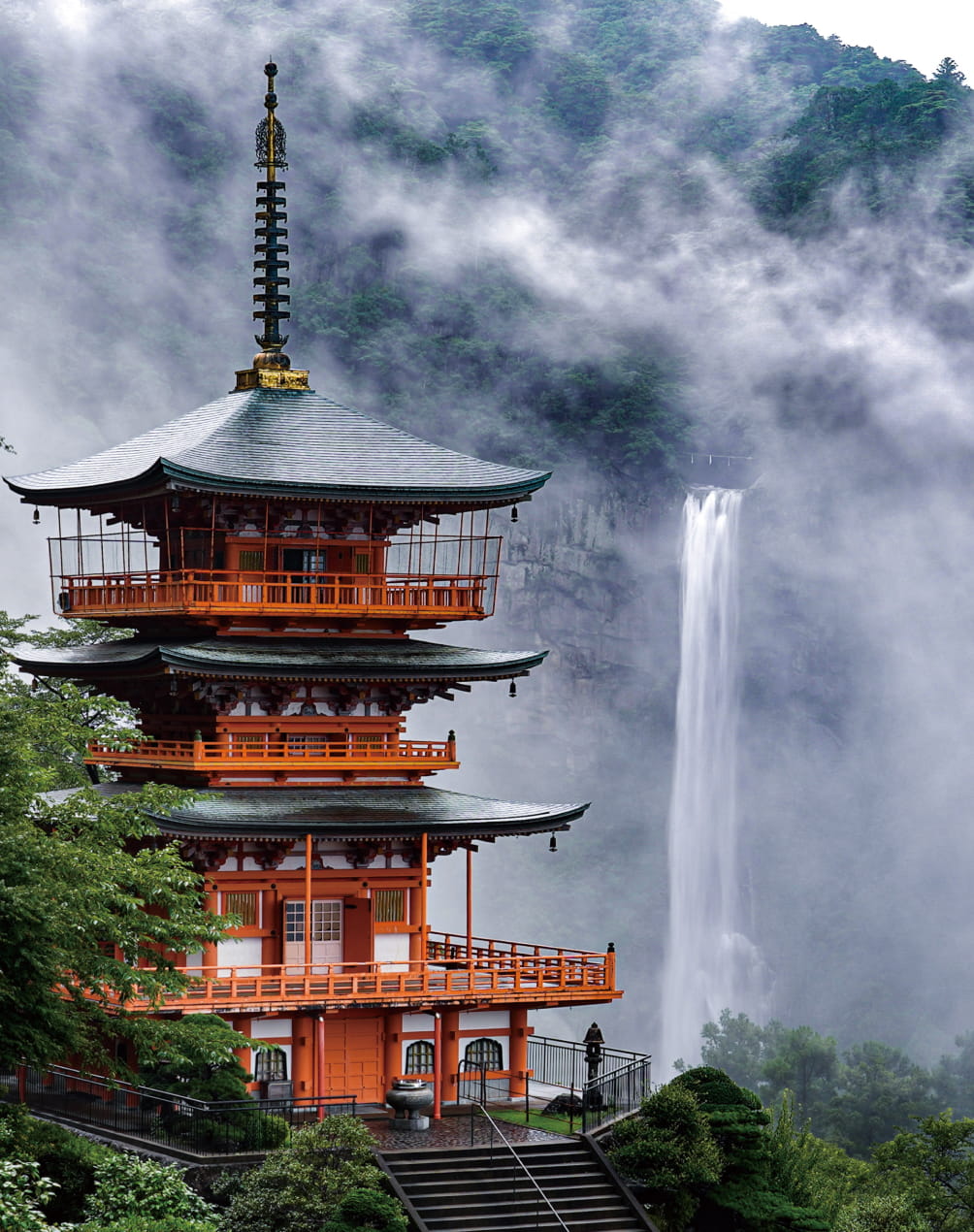
Nachi no Taki
Kumano Nachi Taisha Grand Shrine is one of the three grand shrines of Kumano. Behind the shrine, mainstream flowing from Mt. Ohkumotori is joined by numerous streams flowing down the mountain, forming the “Nachi Falls,” which cascade through the primeval forest. The stunning force of the 133-meter-high waterfall is truly breathtaking.
Wakayama, known as the "Fruits Kingdom," is blessed with a warm climate and well-drained slopes, making it ideal for fruit cultivation. It is nationally famous for producing Mikan (mandarin orange), persimmons, peaches, and more.
In February, Minabe Town, the Ume (plum) heartland, is in full bloom. The hills are covered in white Ume blossoms, attracting many visitors to admire the beauty. This view is truly unique to Wakayama, the top producer of Ume.
Enjoy the nature, taste the fruits, and experience the history. Come and immerse yourself in the charms of Wakayama.
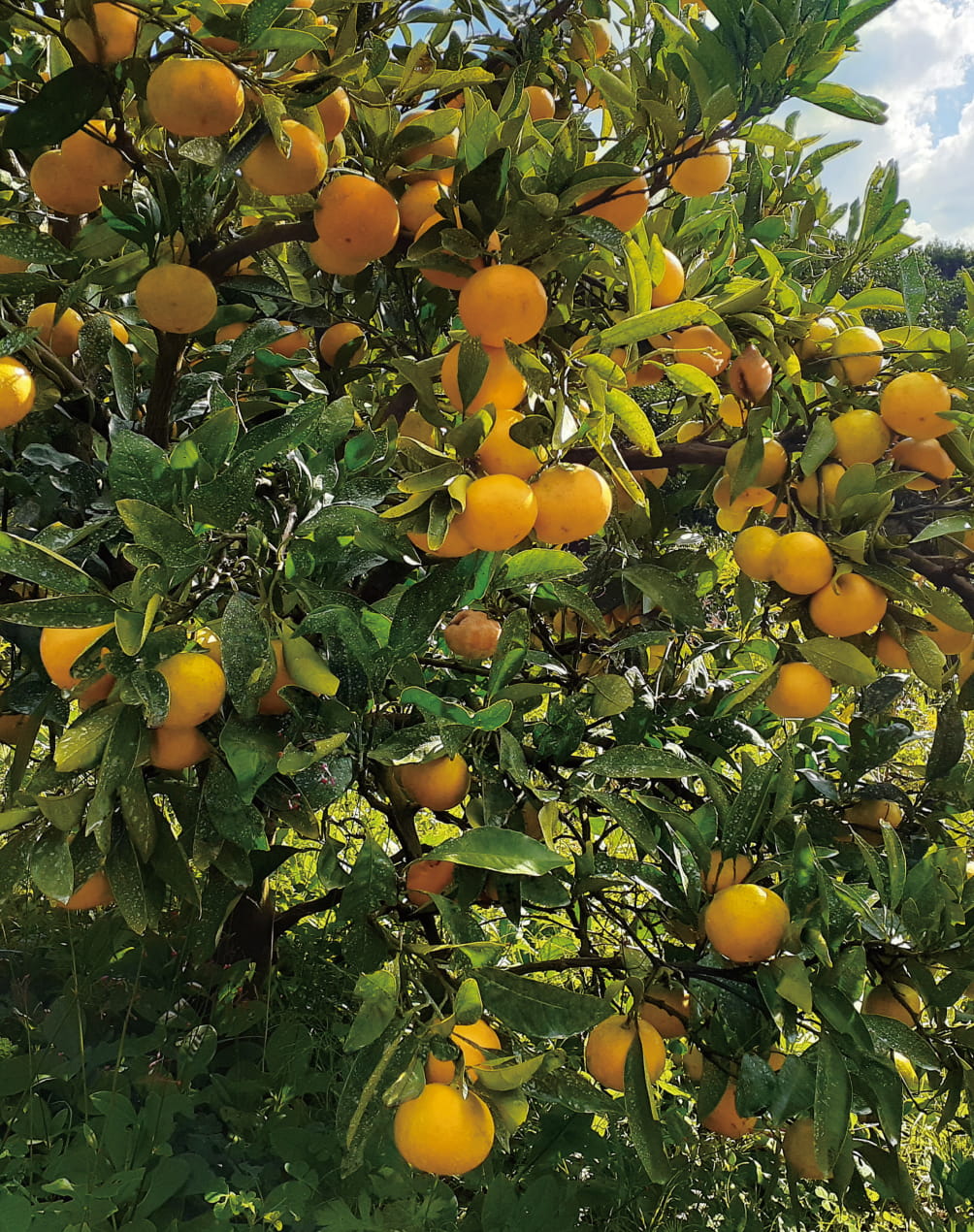
Mikan Farm
Wakayama Prefecture boasts the highest production of Mikan (mandarin orange) in Japan, and “Unshiu-Mikan” is the common variety. They are cultivated in many areas of Wakayama, and the central part of the prefecture is particularly famous for its 400 years of history and tradition for growing “Arida-Mikan.”
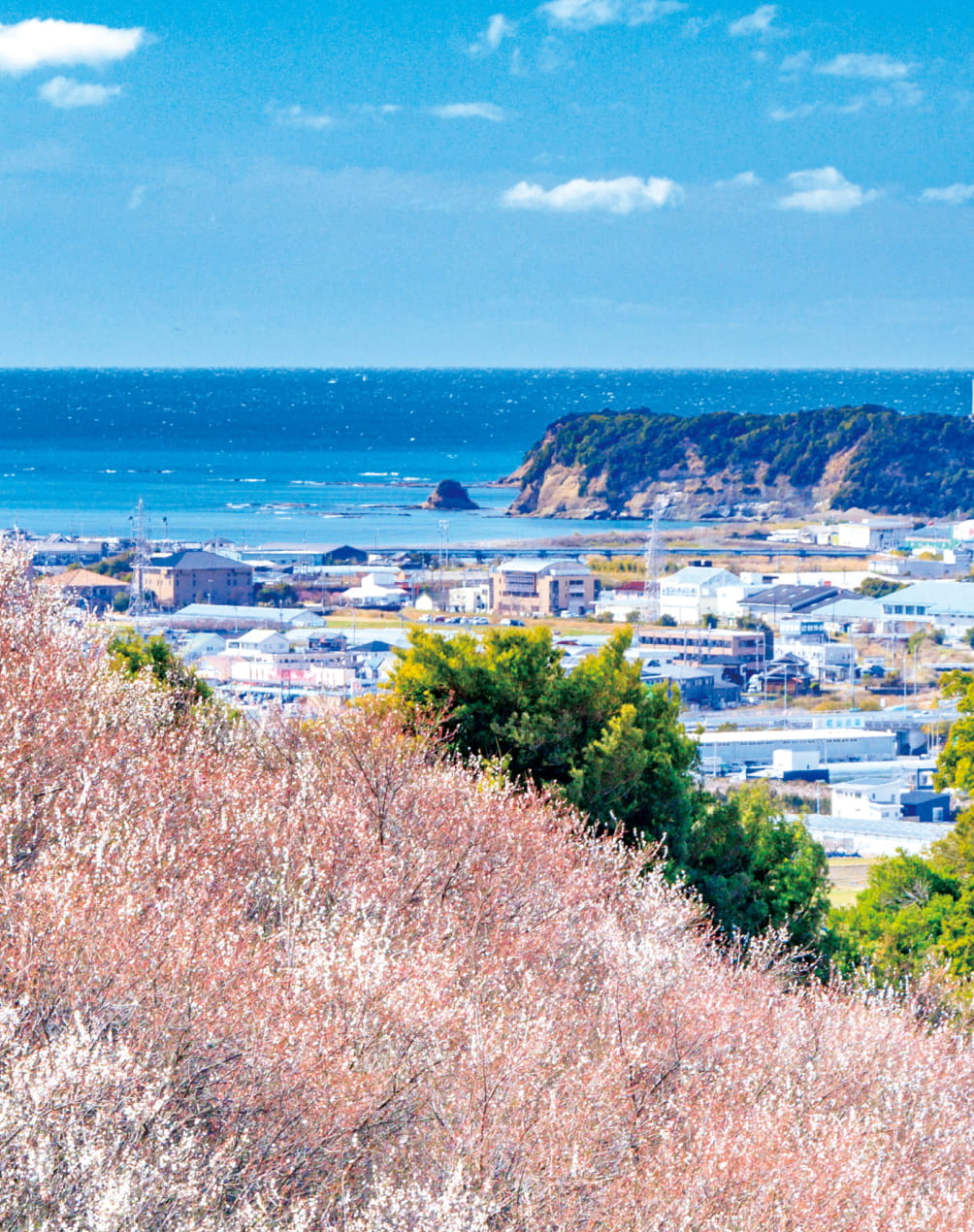
Minabe Bairin
Minabe Town, located in the center of Wakayama Prefecture, yields the largest volume of Ume in Japan. Ume groves can be found throughout the town. The largest of them all is the “Minabe Bairin,” where approximately 80,000 Ume trees are planted. When in bloom, the entire mountain covered in white Ume blossoms presents a truly spectacular scenery.