
“Umeshu” is a plum liqueur that has been enjoyed in Japan for centuries. times. It is a very familiar liqueur in Japan, often made at home. Particularly, Wakayama Prefecture has come to be known as the production center of Umeshu. Here is why.
Umeshu Celebrated since
the Edo Period
Since ancient times, Japanese people have associated Ume blossoms with the arrival of spring. The blossoms have been beloved in Japan throughout history, as evidenced by the "Manyoshu", Japan's oldest anthology of poetry, containing many waka poems to celebrate their beauty. Yet, the aesthetic appeal is not the only reason why Ume is so valued. Ume fruit contains many nutrients that support good health and has been used widely for centuries.
Ume fruit resembles apricots and peaches. Although it looks delicious as it is, it cannot be eaten raw. That is why Japanese people have developed various ways to process Ume, including drying, pickling and boiling. Some examples of processed Ume foods are Umeboshi, Umeshu, Ume syrup and jams.
Umeshu is a liqueur made by soaking Ume fruits in sugar and strong alcohol, allowing the fruit extract to infuse into the liquor slowly. There are no official records of the origin of Umeshu, and it is unknown when Umeshu was first consumed in Japan. However, “Honcho Shokkan,” written in 1697 during the early Edo period, records what is considered the prototype of Umeshu. It mentions a drink made by soaking Ume in aged Sake and white sugar. The book also describes the medicinal properties of Umeshu, stating that it eliminates phlegm, quenches thirst, improves appetite, relieves sore throats, and combats poison.
As sugar was expensive at that time, it is believed that Umeshu was a luxury item consumed primarily by the upper classes. In the late Edo period, Ume cultivation expanded among farmers, and Ume-based foods like Umeboshi and Umeshu became popular. According to agricultural texts from that period, making Umeshu was a popular side job for farmers.
Subsequently, Umeshu became commonly homemade drink. Even after the Liquor Brewing Tax Law in 1899 that banned home production of alcohol, people continued to secretly enjoy making Umeshu at home. In 1962, the Liquor Tax Act was revised to legalize homemade Umeshu, prompting many ordinary families to begin making Umeshu by themselves. This led to a boom in fruit liqueurs, including Umeshu, becoming extremely popular in Japan, resulting in Umeshu further gaining familiarity among Japanese people.
“Nanko-Ume,” Timeless
Treasure of Wakayama
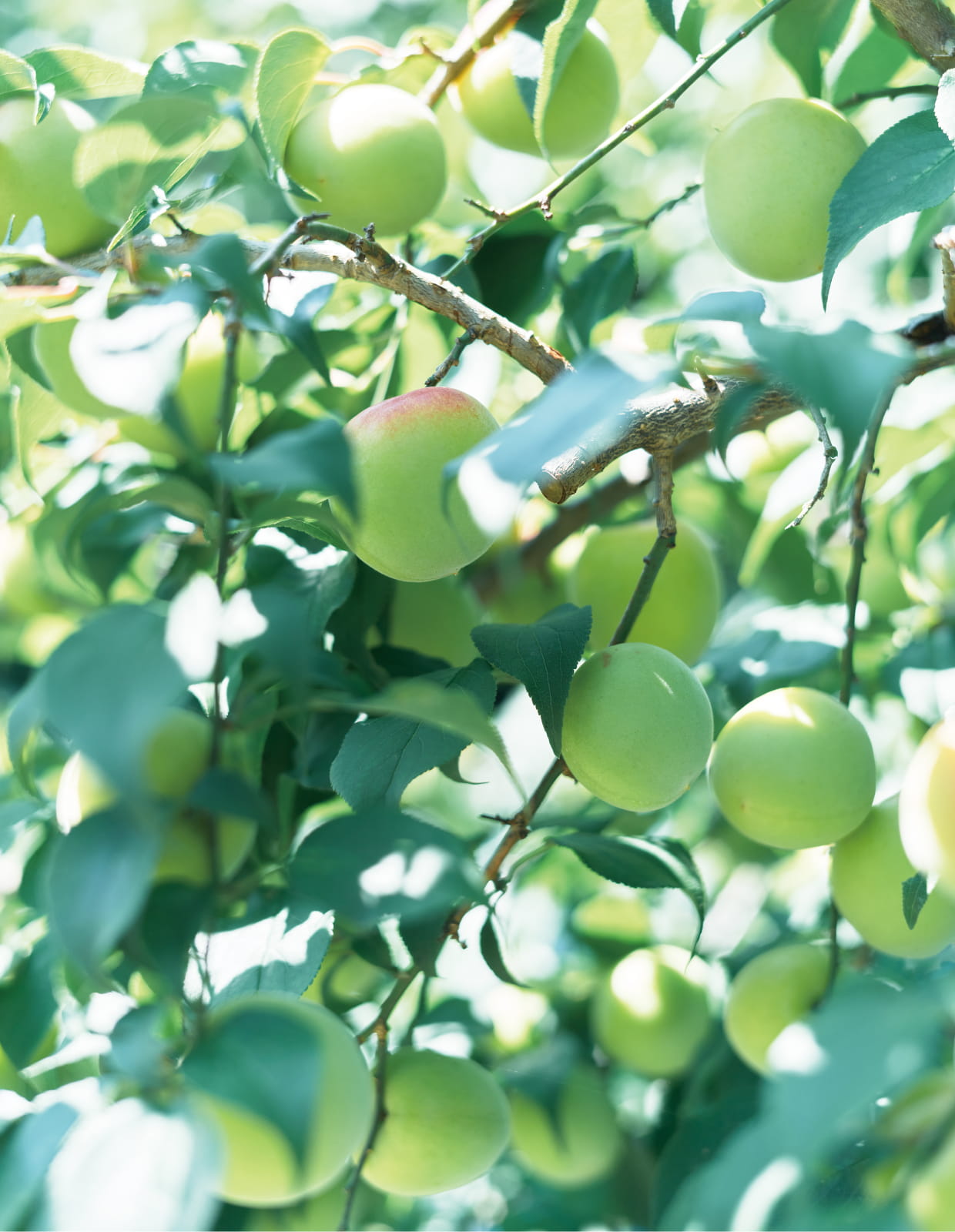
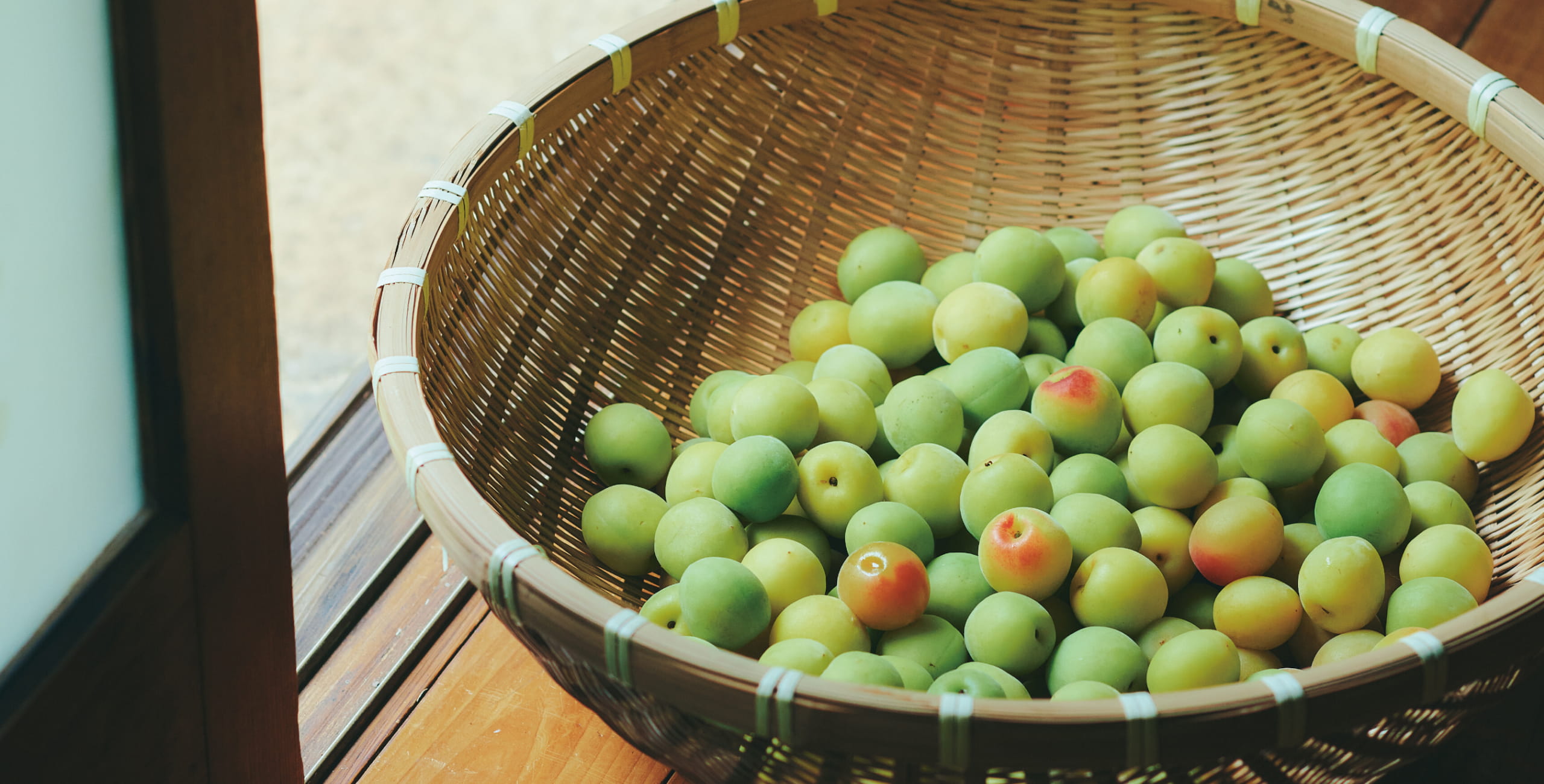
Nanko-Ume, the finest variety of Ume and a specialty product of Wakayama, is a suitable ingredient for making Wakayama Umeshu. It is characterized by its large size, thin skin, and thick, soft flesh. Young Nanko-Ume are green, gradually turning yellow as they ripen. Sun-exposed parts turn bright red, giving them a peach-like appearance. Nanko-Ume has now become one of the leading Ume brands representing Japan.
The harvest of young Nanko-Ume is from late May 10 to mid-June. From mid to late June, the sweet-sour fragrance of the ripe, yellow Ume spreads all over the area. Young Ume are typically used for making Umeshu, but in Wakayama, fully ripe Ume are also often used. When Ume fully ripen, their pulp softens and develops a deeply fruity flavor before naturally falling the trees.
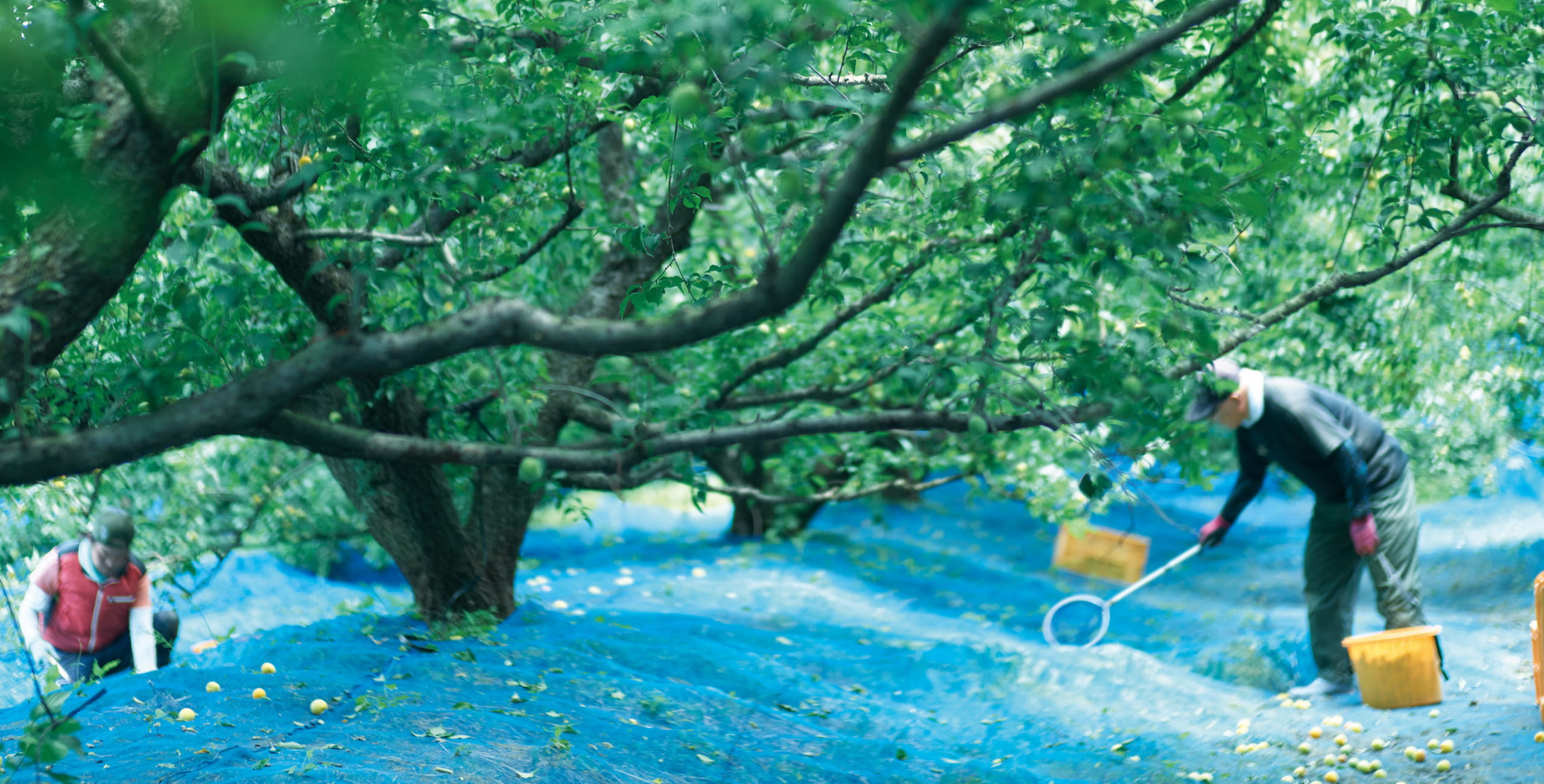
To prevent damage to fallen Ume, farmers set nets under the trees, a harvesting method particular to this region. Fully ripe Ume, with their alluring aroma, are rarely sold outside the prefecture due to their perishable nature. Umeshu made with fully ripe Nanko-Ume offers a taste unique to this region, where the fruit can be processed immediately.
Minabe Town and Tanabe City, located almost in the center of Wakayama Prefecture, constitute the largest Ume production region in Japan. Currently, Wakayama Prefecture produces approximately 64,400 tons of Ume per year, which accounts for 67% of the nation's total. Minabe Town is recognized as the top Ume production site nationwide, with its yield of 29,900 tons alone, representing representing approximately 30% of the nation’s total.
Ume cultivation in this mountainous region began in the early Edo period. Since the soil was too sterile for rice farming, the lord of Kishu-Tanabe domain promoted Ume cultivation, as Ume could thrive in such nutritionally poor soil. In the Meiji period, Genzo Uchinaka led the local Ume cultivation and Umeboshi processing to flourish by expanding Ume groves and establishing a Umeboshi factory. Nowadays, local Umeboshi companies and Ume farmers also produce Umeshu by using the local specialty.
Umeshu producers are also scattered throughout the northern part of the prefecture, including Kainan City. This area, known for its numerous Sake breweries, started making Umeshu by leveraging their Sake brewing technology during the off-season for Sake production, which coincides Ume harvest season. That is why Wakayama has many Umeshu producers throughout the prefecture.
In the Minabe-Tanabe region, high-quality Ume have been produced sustainably for the last 400 years. Ume trees are strategically located on the nutrient-poor mountain slopes alongside fuelwood forests. This arrangement prevents landslides and helps retain water and nutrients for the Ume trees.
In addition, Japanese honeybees are used to pollinate Ume. In 2015, the Food and Agriculture Organization of the United Nations certified the “Minabe-Tanabe Ume System” as a Globally Important Agricultural Heritage System.
From Homemade Liqueur to the
World's Renowned Umeshu
In Wakayama, many households have made their own Umeshu. As commonly prepared during the harvest season, the liqueur has long been considered a homemade drink. Due to this common perception, Umeshu was rarely seen on the market up until around 1960.
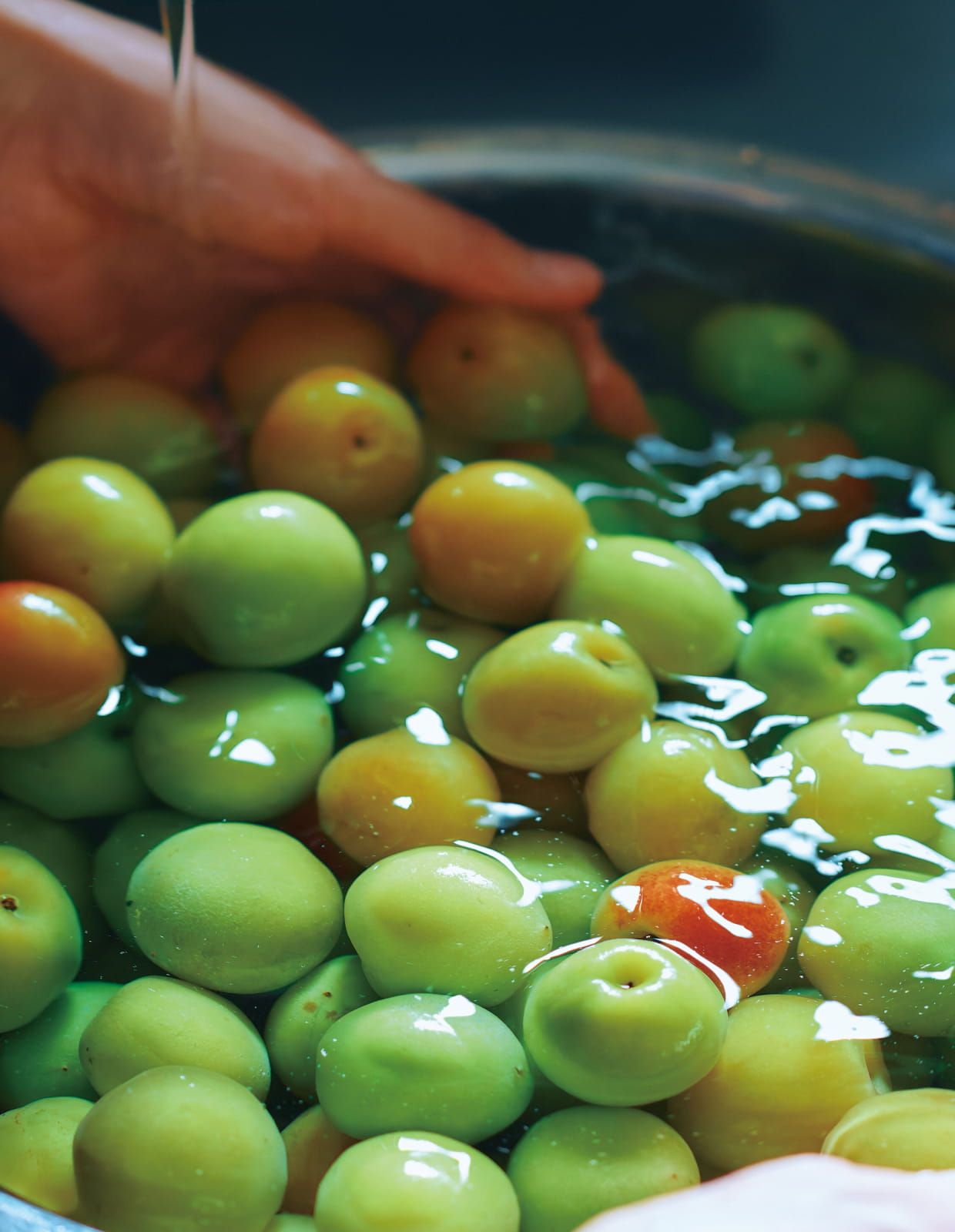
Most homemade Umeshu is simple, consisting of Ume, sugar and distilled liquor. Umeshu producers needed to differentiate their products from homemade versions. Gradually, a variety of Umeshu available on the market increased, including Umeshu with flavors, such as Akajiso (red perilla) and green tea.
Around the year 2000, Umeshu became popular among women, partly due to the health-conscious consumer trends. Wakayama Umeshu producers began to expand their varieties, including Sake- and whiskey-based, as well as with unconventional ingredients like pureed pulp and different fruits. One of Umeshu's strengths is its flexibility in production, such as adjusting the ratios of Ume to Sake and sugar, and varying the maturing period.
However, as the number of Umeshu producers increased, concerns over quality arose due to the emergence of Umeshu made with additives and different ingredients other than Ume. In 2015, the Japan Spirits & Liqueurs Makers Association responded to the need for quality control and introduced new regulations, establishing that the term “Honkaku (Authentic) Umeshu” could only be used for Umeshu made exclusively with Ume, sugar and base alcohol, without any acidifiers, artificial coloring and/or flavorings.
In 2020, Wakayama Umeshu was recognized as “GI Wakayama Umeshu”. Geographical Indication (GI), an internationally recognized system, has boosted Umeshu's international popularity. The recent years have seen a sales increase of Umeshu globally, especially in India, Thailand, France, and China.
Three Ingredients,
Endless Possibilities
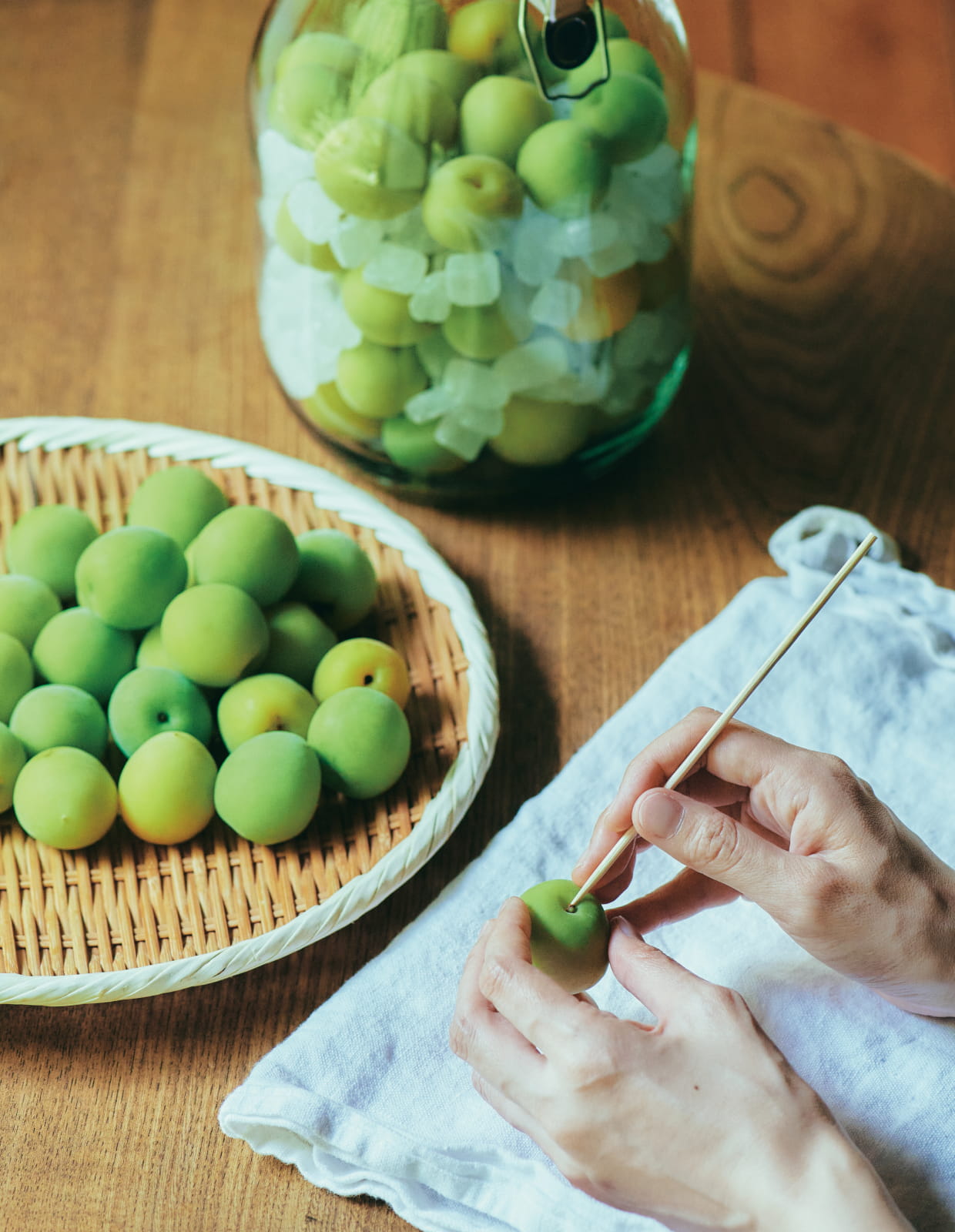
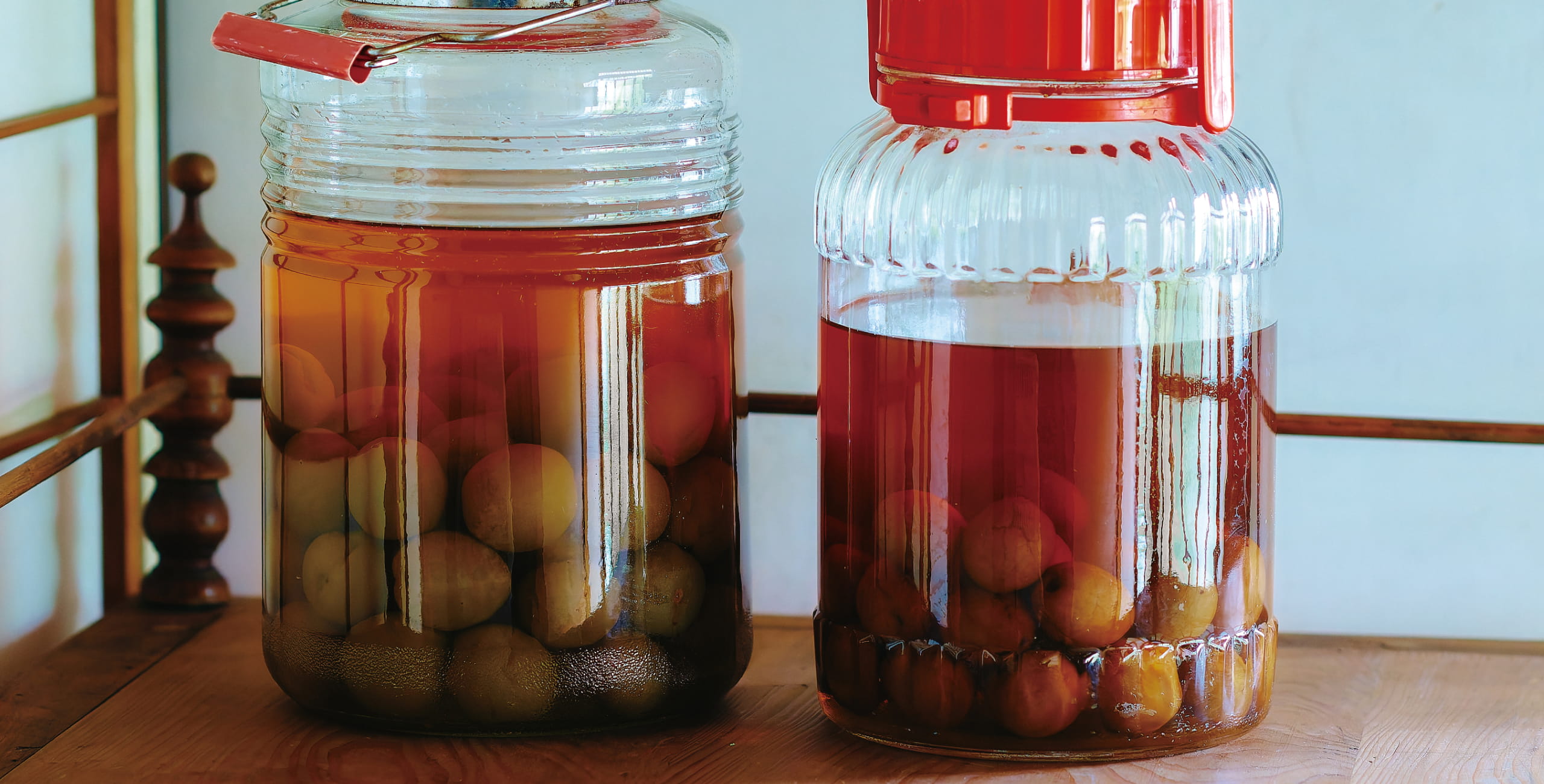
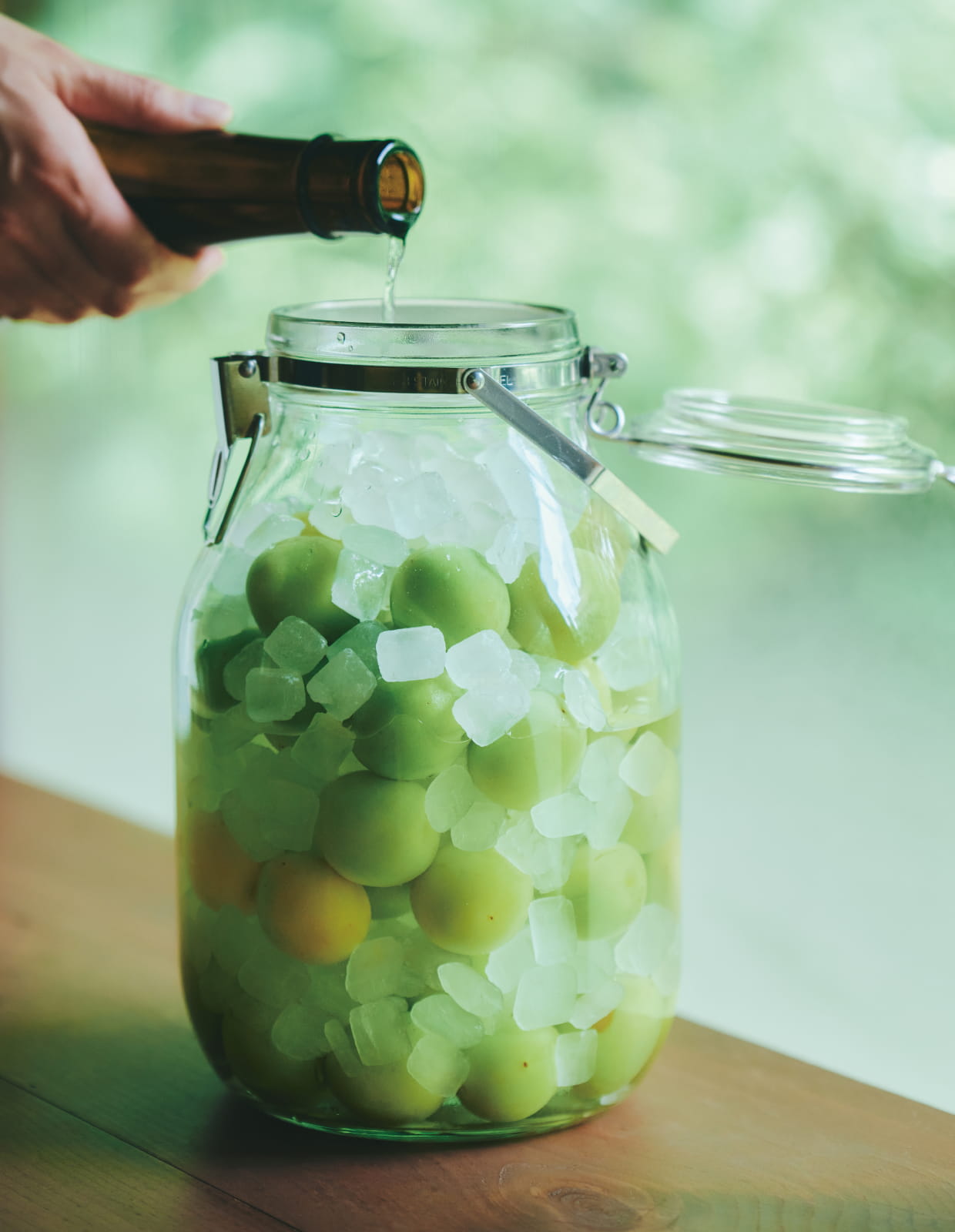
The basic ingredients for Umeshu are simple - Ume, Sugar, and Base Alcohol. This results in taste variations based on the nature of ingredients and the commitment of the producers, creating a profound world of Umeshu.
Base alcohol can significantly influence the taste of Umeshu. Distilled liquor is popular for homemade Umeshu due to its tasteless and odorless nature, allowing the Ume flavor to be fully enjoyed. Brewers alcohol also accentuates the Ume flavor well. Brandy offers a rich flavor that matches the mellow aroma of the Ume fruit. Sake enhances a smooth, deep flavor. Recently, unique base alcohol types are also increasing, such as Gin and Awamori, and Shochu.
In Wakayama Prefecture, many farmers are also cultivating Ume varieties other than Nanko-Ume. New varieties have been developed focusing on specific beneficial compounds. For example, “Tsuyu Akane” is rich in anthocyanins and has red flesh, “Toko” is orange in color and rich in beta-carotene, and “Suiko” has a pear like aroma. These varieties hold potential for creating new Ume products and are expected to be the next generation of Wakayama Ume varieties.
Ume has been valued as a food in Japan for 1,300 years, receiving renewed attention in recent years. Some studies have shown that Ume contains healthful ingredients, such as citric acid which helps relieve fatigue, and polyphenol which suppresses oxidative reactions of active oxygen. While research on the efficacy and components of Ume is still ongoing, it has been well regarded in Japan for its health value.
Umeshu has been cherished by Japanese people for centuries. In addition to traditional Umeshu, new varieties have been created one after another by younger producers. Umeshu producers in Wakayama hope that their products will be enjoyed in various ways, appreciating the bountiful Ume grown wholeheartedly in the region.